 Maana Wellness
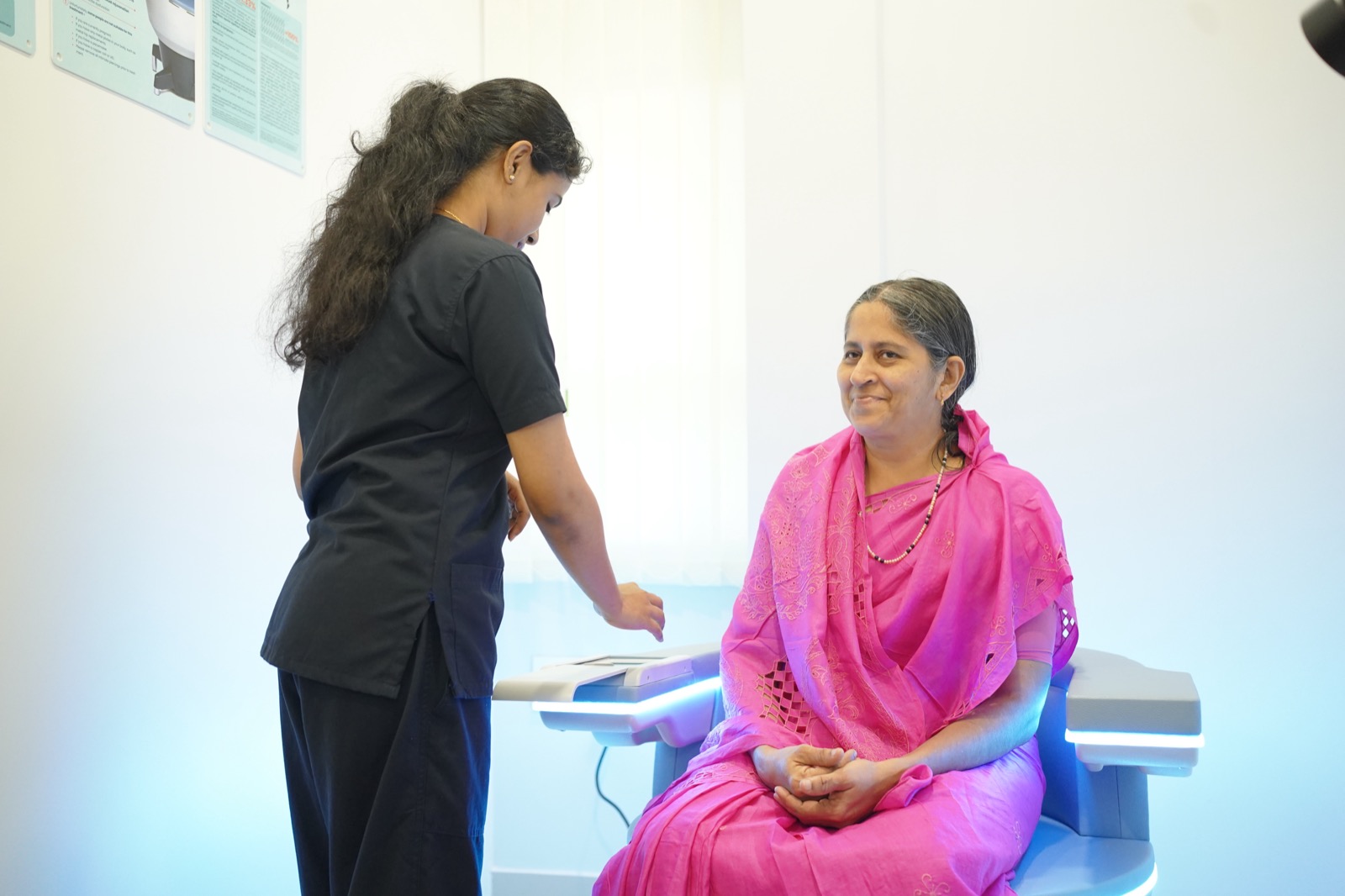
Pelvic floor issues are common and treatable, but most people spend months not knowing who to ask — or assuming it’s only relevant after childbirth. It isn’t. Here’s what the pelvic floor chair actually does, what it doesn’t, and how it compares to exercises you can already do at home.
Not Just a Postnatal Treatment
While postnatal recovery is one of the most common reasons people seek pelvic floor therapy, it also treats stress urinary incontinence, pelvic organ prolapse symptoms, and general core weakness in anyone, at any life stage — not exclusively postnatal. If you’re dealing with leaking when you cough, sneeze, laugh, or exercise, or general core weakness affecting your posture and lower back, that’s exactly what a pelvic floor assessment is for — it’s one of the core treatments in our Women’s Wellness program.
How the Chair Is Different From Doing Kegels at Home
The pelvic floor chair uses focused electromagnetic technology to cause thousands of supramaximal pelvic floor muscle contractions in a single session. Voluntary Kegel exercises typically only activate a fraction of the muscle fibres a person can consciously engage — the chair is designed to reach a level of muscle activation that’s difficult to achieve through self-directed exercise alone. You remain fully clothed throughout, seated on the chair; there’s no undressing involved.
What the Evidence Actually Shows
Of the modalities we’ve reviewed, this is one of the more consistently positive evidence pictures — multiple independent trials, FDA clearance behind the technology, and at least one study that paired symptom improvement with objective physiological measurement rather than relying on self-report alone. The honest caveat is one of scale, not direction: the studies are real and mostly positive, but individually small, and the field’s own researchers are actively calling for bigger, more standardized trials to firmly settle the size of the effect.
Read the full evidence review on the pelvic floor chair →
What a Program Actually Involves
Your first visit is a physiotherapist-led assessment, not a chair session on day one — we evaluate pelvic floor strength, core coordination, and posture before recommending a plan. A minimum of 6 sessions is required, spaced 4–5 days apart to allow the muscles to recover between sessions, with sessions paired with guided exercises and progress tracking rather than the chair working in isolation.
For clients whose primary goal is postpartum recovery specifically, HBOT can be added alongside pelvic floor strengthening as a next-step option to support general tissue recovery — discussed during your consultation, not required for everyone doing pelvic floor therapy.
Pelvic floor therapy is currently available at our Kochi, Kozhikode, and Perinthalmanna locations.