 Maana Wellness
Does HBOT Help Sports Recovery? Here’s What the Research Shows
Written by Shilpa Sunny. Reviewed for clinical accuracy by Jasmal K.
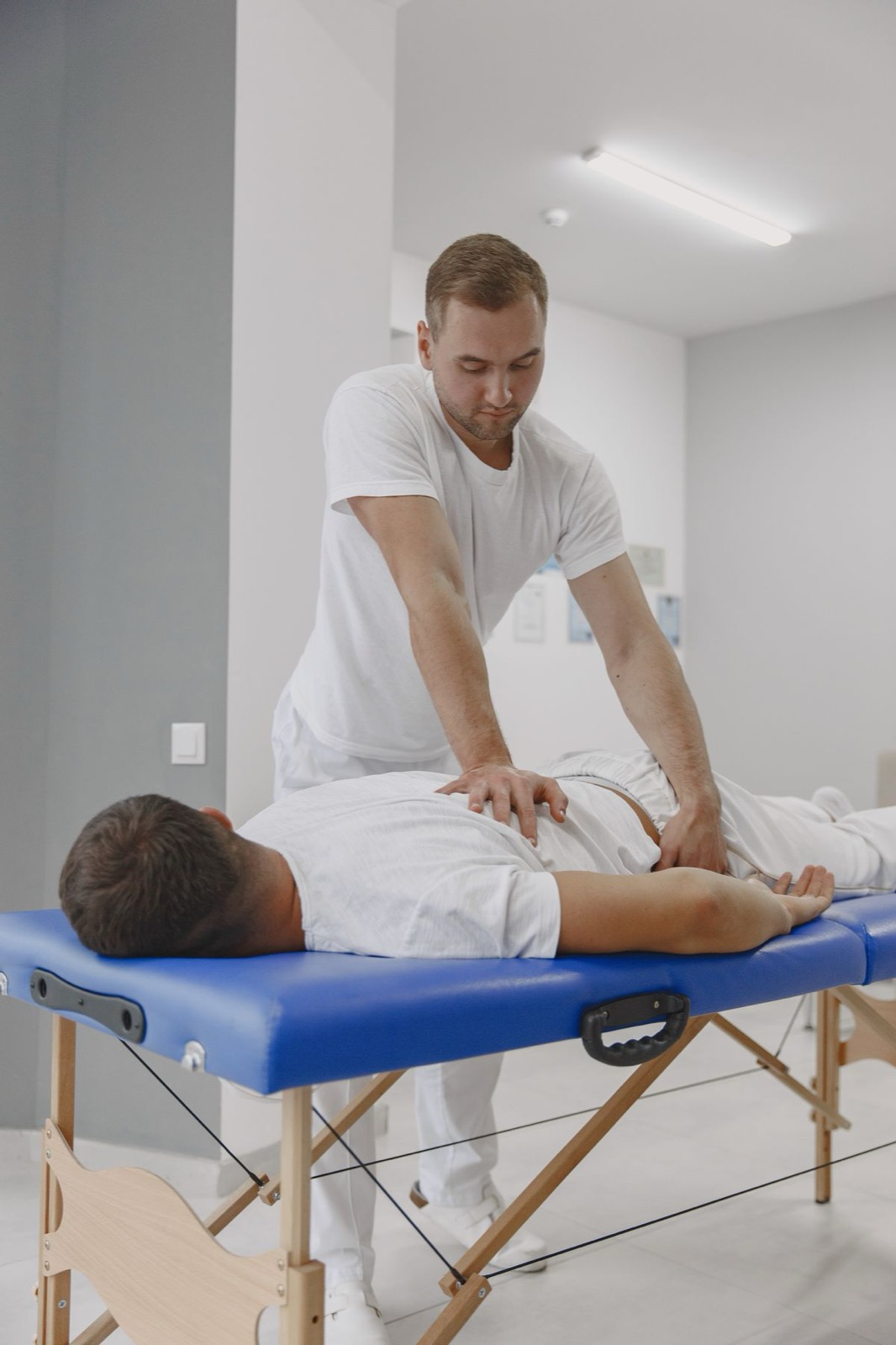
Hyperbaric oxygen therapy has a real and growing evidence base for sports and soft tissue recovery — with one specific, important nuance: it appears effective for actual injury, but the evidence for muscle soreness specifically is much less consistent.
The Short Version
Multiple recent systematic reviews converge on a similar picture: HBOT shows real, measurable benefit for exercise-induced muscle injury and severe soft tissue injury — but a 2025 meta-analysis specifically found it did not improve recovery from ordinary muscle soreness (DOMS). Across the literature, HBOT is consistently described as more effective as an adjunctive treatment — added to standard care — than as a standalone therapy, and the overall certainty of evidence remains graded as weak due to small trials and inconsistent protocols.
What the Evidence Shows
A 2025 systematic review and meta-analysis (ScienceDirect) pooling 7 clinical trials found HBOT statistically effective at accelerating recovery from exercise-induced muscle injury. The same review, however, explicitly found it did not enhance recovery from exercise-induced muscle soreness — a meaningful distinction between an actual injury and ordinary post-workout soreness.
A 2024 systematic review (published via PMC) on severe lower limb soft tissue injuries reviewed 7 studies covering 229 patients, including two randomized controlled trials. The placebo-controlled RCT found a significant increase in wound healing and a reduced need for additional surgical intervention in the HBOT group. A separate non-placebo RCT found early HBOT reduced tissue necrosis and long-term complication rates. A retrospective cohort study in the same review found reduced infection rates and reduced need for further surgery.
A 2025 review in the Turkish Journal of Sports Medicine, searching PubMed, Cochrane, and Web of Science specifically for HBOT and sports injuries, found generally positive results across muscle and soft tissue injuries and bone marrow edema — but explicitly noted that HBOT appears more effective as an adjunctive treatment than a standalone one, and flagged real standardization problems: diverse injury types, limited human studies, and inconsistent randomization and blinding across the field.
A 2025 systematic review specifically on HBOT for musculoskeletal pain syndromes (MDPI) formally graded the certainty of evidence and found it consistently downgraded due to serious risk of bias — small samples, lack of blinding — and serious inconsistency between study protocols. Results specifically for delayed-onset muscle soreness and acute ligament injuries were described as inconsistent. The review’s own conclusion: HBOT may offer adjunctive benefit, but current evidence remains limited, and standardized protocols and higher-quality trials are still needed.
The Honest Limitations
- Real injury vs. ordinary soreness are different questions, and the evidence answers them differently — HBOT looks genuinely useful for accelerating recovery from actual tissue injury, but the case for treating everyday muscle soreness is much weaker.
- Consistently described as adjunctive, not standalone. Multiple independent reviews use this same framing — HBOT added to standard care, not replacing it.
- Study quality is a recurring problem. Small sample sizes, inconsistent blinding, and varied protocols show up across nearly every review in this space.
- No standardized protocol exists yet — pressure, session duration, and frequency vary meaningfully between studies, making direct comparison difficult.
The Bottom Line
For genuine soft tissue and muscle injury, HBOT has real supporting evidence, including placebo-controlled trials showing improved wound healing and reduced complication rates. For everyday post-workout soreness, the evidence doesn’t currently support a clear benefit. Across the board, the honest positioning — echoed independently by multiple review teams — is that HBOT works best as an add-on to standard recovery care for real injuries, not as a blanket recovery tool for every kind of post-exercise fatigue.
References
- Effects of Hyperbaric Oxygen Therapy on Exercise-Induced Muscle Injury and Soreness: A Systematic Review and Meta-analysis. ScienceDirect, 2025. pubmed.ncbi.nlm.nih.gov/40784513
- Adjunctive hyperbaric oxygen therapy in the management of severe lower limb soft tissue injuries: a systematic review. 2024. ncbi.nlm.nih.gov/pmc/articles/PMC11249575
- Sports injuries and hyperbaric oxygen therapy: physiological effects and previous findings. Turkish Journal of Sports Medicine, 2025. journalofsportsmedicine.org/full-text/746/eng
- Effectiveness of Hyperbaric Oxygen Therapy for Musculoskeletal Pain Syndromes: A Systematic Review. MDPI, 2025. mdpi.com/2813-0413/4/4/63